

Key takeaways:
- Erectile issues are common and not a reflection on you or your relationship.
- Relaxation and reducing pressure may help improve erectile function.
- Open, honest communication may boost confidence and intimacy.
- Addressing mental health is essential, as stress and anxiety can impact bedroom performance.
- Lifestyle changes like exercise, weight loss, and quitting smoking have proven benefits.
- Erection-enhancing medications are effective in improving erectile function and accessible through services like BlueChew.
It happens to most men at some point. He just can’t seem to get in the mood, or maybe he does, but things aren’t performing as expected.
Don’t panic — it’s more common than you think, and it’s definitely not the end of the world. In fact, it’s usually just temporary.
A lot more goes into getting an erection than you think. It is caused by a mix of physiological and psychological factors that need to be just right to get the blood flowing.
Below, we’ll dive into what you can do when your partner is having a tough time in the bedroom.
And if our simple solutions don’t seem to get things going, we’ll give you the scoop on how to get prescription sexual performance enhancers through BlueChew.com that will certainly up his game.

Don’t Blame Yourself
First thing’s first: It’s NOT your fault. If your partner struggles to get it up, don’t jump to conclusions and think it’s about you.
This issue most likely has nothing to do with you personally — it’s more likely a physical or psychological factor affecting his ability to perform.
Erections are caused by a highly intricate combination of psychological arousal, hormones, and neurotransmitters that lead to an increase in blood flow that culminates in an erection. If any one of these factors is slightly off, your man may run into a problem.
Trust me; it’s not about your looks, your relationship, or anything you’re doing wrong, so don’t get down on yourself if erection issues arise.
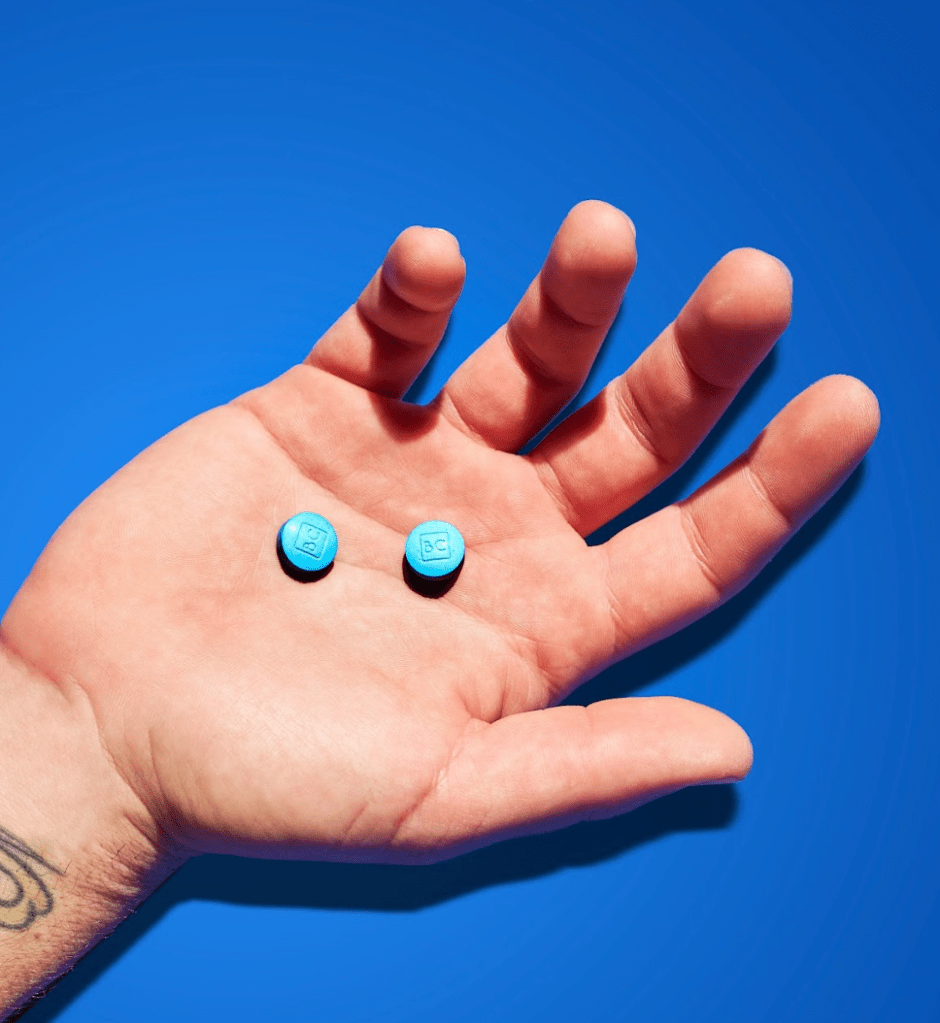
Ease Into It: Slow It down
Erections are all about relaxation.
To get an erection, your man needs to have a particular part of his nervous system activated: the parasympathetic branch. This part of the nervous system, known as ‘rest and digest,’ is responsible for our relaxation response. When active, it allows the smooth muscle that lines the blood vessels in the penis to relax, blood flow to increase, and an erection to occur.
If he’s struggling with getting it up, take a breather and slow it down. This can help elicit the relaxation response to trigger an erection.
Try focusing on intimacy that doesn’t involve immediate penetration: cuddling, sharing a deep massage, or experimenting with foreplay. This kind of physical connection reduces the pressure to perform, makes both of you feel more relaxed, and may help your partner achieve an erection.
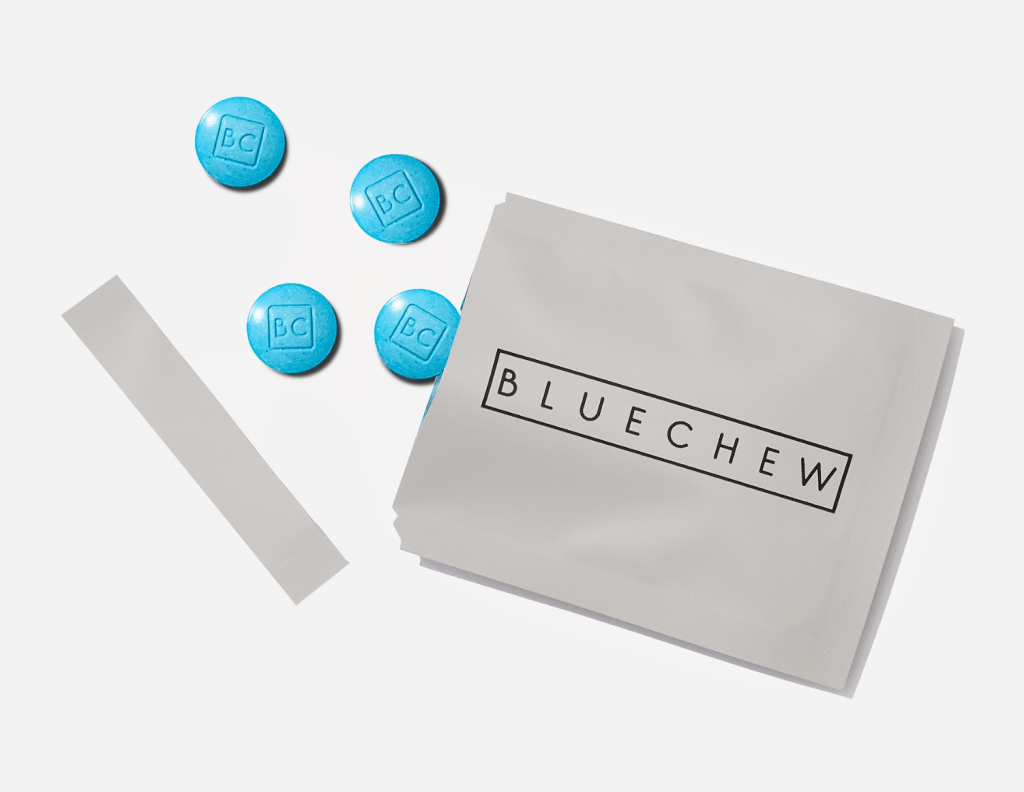
Spice Things Up: Try Talking Dirty
A simple way to tackle erection problems is by openly communicating about sex with your partner, AKA talking dirty. Shifting his focus from his concerns to your desires and fantasies can take the pressure off of him while also boosting your connection.
Interestingly, research supports this tactic, demonstrating that couples who deal with sexual problems benefitted from increasing sexual communication and reported significantly improved erectile function.
Although this might not be the answer for everyone, expressing yourself, giving your partner a confidence boost, and introducing some new ideas in the bedroom (even if it is just talk) may be the kickstart he needs to get things going.
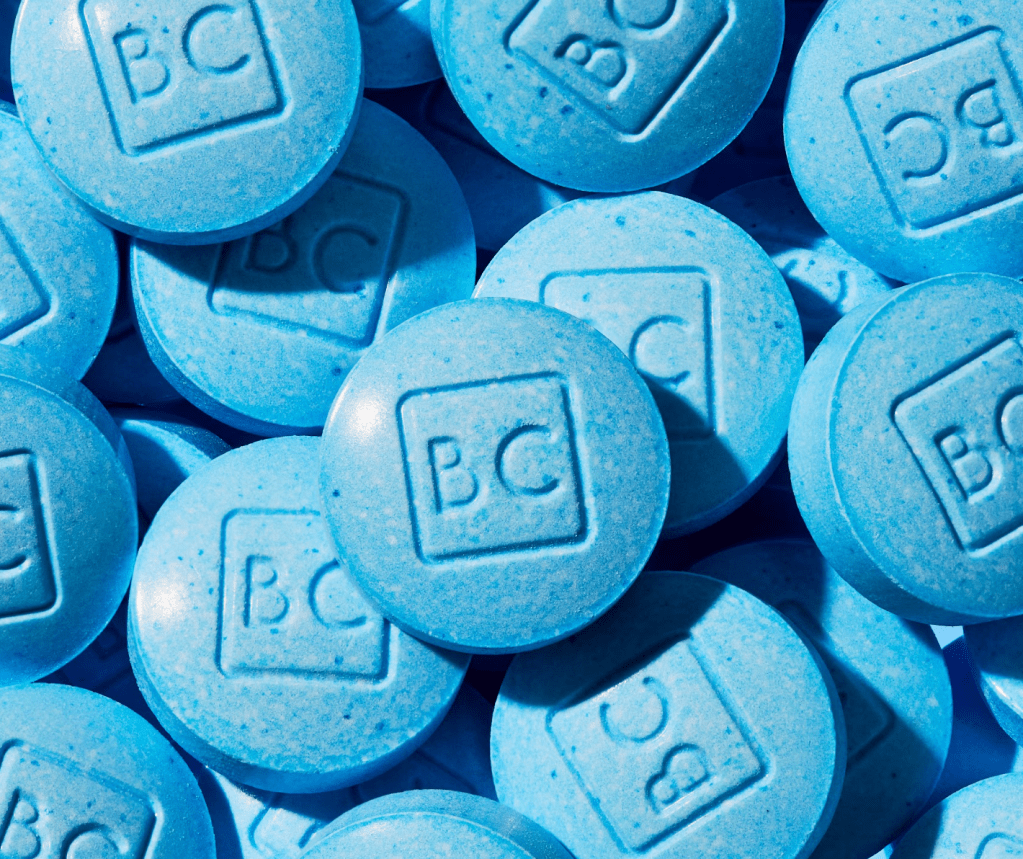
Reducing Performance Anxiety
Ever feel nervous before a big presentation or a first date? Well, sexual performance can bring up the same feelings for many men, especially if they struggle with self-esteem or doubt their ability to satisfy you.
Research shows that sexual performance anxiety is a leading cause of psychogenic erectile troubles (erection problems caused by psychological factors like stress, anxiety, or depression).
If your partner feels the pressure and becomes anxious, it may affect his performance negatively.
One way to help your partner combat this fear is to reassure him that it’s okay and that you’re willing to navigate the issue together. Studies demonstrate that partners who offer emotional support, actively listen to their partners’ concerns, and refrain from criticism can significantly reduce their partners’ sexual performance anxiety. Your words of support can also help boost his confidence and ease the pressure.
If performance anxiety persists, certain medications may help reduce anxiety or boost his sexual performance.
Improving Mental Health
Research has shown that mental health and erectile function are closely interconnected.
If your partner is dealing with depression, chronic stress, or anxiety, it can affect his ability to achieve or maintain an erection.
During a quiet moment away from the bedroom, try to open up communication with your partner and gently ask him how he’s been feeling mentally.
Has work been super stressful? Or maybe things haven’t been going as planned. Either way, the mind and body are highly connected, so if one isn’t functioning optimally, chances are the other isn’t either.
Seeking help from a licensed mental health counselor, sex therapist, or psychiatrist may be a great start to improving mental health. Other options that have been proven to improve mental health, reduce stress, and enhance erections include meditation, yoga, and breathwork. These are also great activities to try together to increase intimacy in your relationship.
Remember that you are not your partner’s therapist, so don’t feel the need to “fix” him. Your job is to offer support and understanding without judgment.
Physical Causes
If you’ve tried all the tips and tricks and your partner is still facing erectile problems, the issue may come down to a physical cause.
Various physical factors can impact his ability to achieve an erection, including:
- Low testosterone (levels typically decline with age)
- High blood pressure
- Cardiovascular disease
- Circulatory problems
- Obesity
- Diabetes
- Side effects from medications (such as antidepressants)
- Substance abuse, including too much alcohol use and recreational drugs
- Nerve damage (due to spinal cord injury, radiation therapy)
If your partner’s erection problems stem from one of these underlying problems, making lifestyle changes can be one way to support better sexual health.
A 2004 study found that weight loss and increased physical activity significantly improved erectile function in obese men compared to a control group, with an impressive one-third of men regaining sexual function at the end of the study. Additionally, research into cigarette smoking demonstrated men who stop smoking can also improve erections in men grappling with the issue.
Other medical treatments like prescription drugs, testosterone replacement therapy, making healthier lifestyle choices, and getting treatment for underlying medical conditions may help your man get back on track in his sex life and general health.
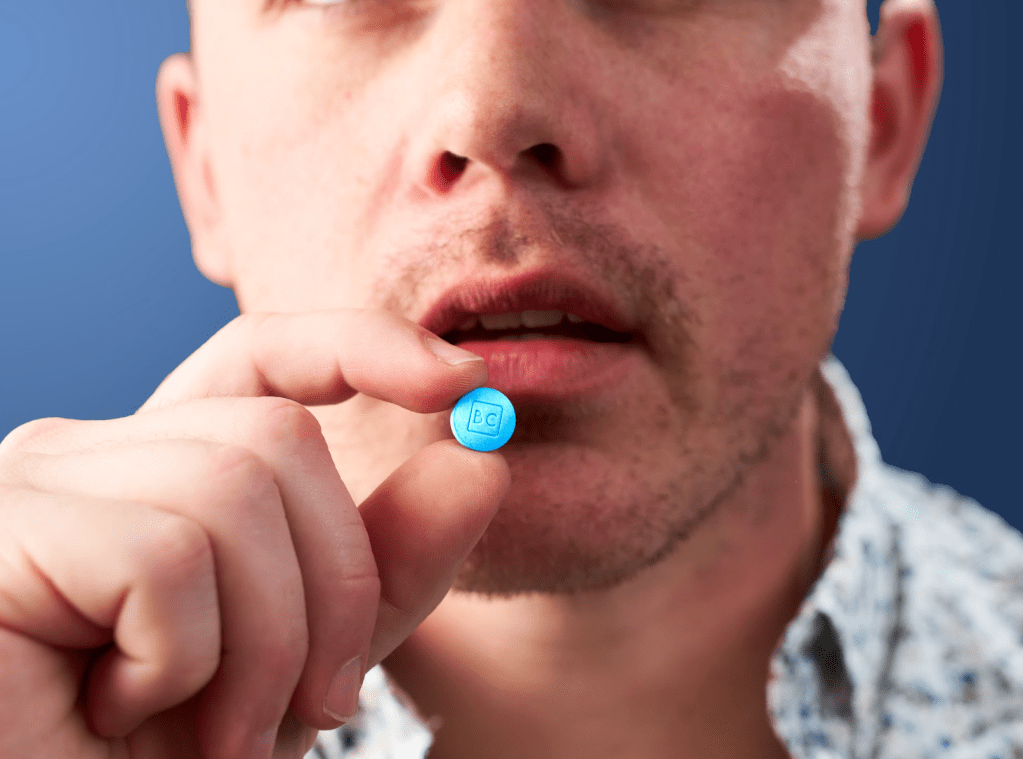
Erection-Enhancing Medications
If these changes don’t seem to cut it, there are specific prescription drugs that have been proven safe and effective at boosting erections. This includes the medical treatments Tadalafil (Cialis), Sildenafil (Viagra), and Vardenafil (Levitra). Research has demonstrated up to 80% of men experience positive results from these medications and have higher rates of successful intercourse.
These medications belong to a class of drugs known as phosphodiesterase 5 inhibitors and work by increasing blood flow to the penis resulting in harder, longer-lasting erections.
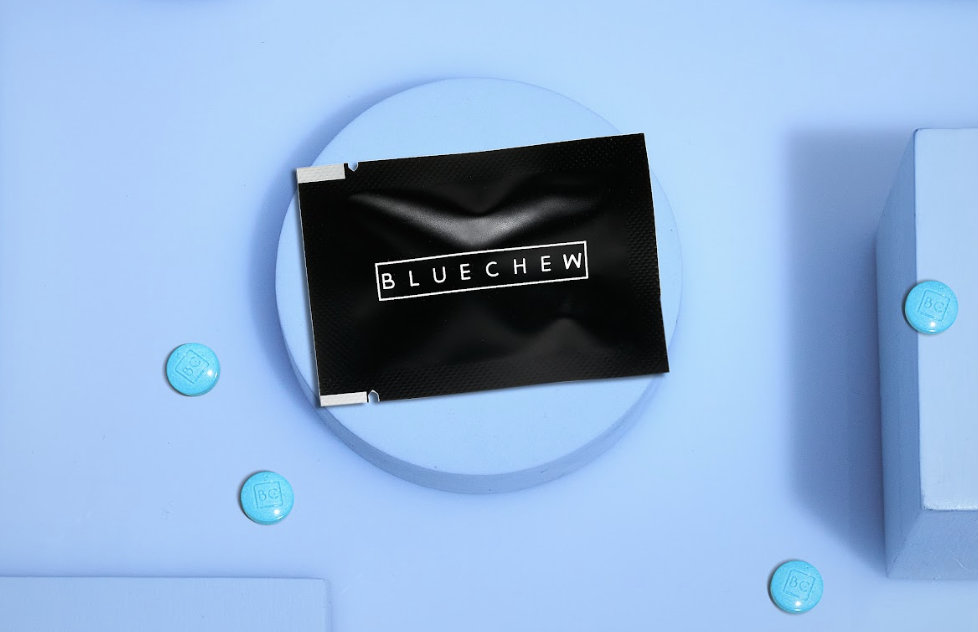
While getting a prescription used to be inconvenient and costly, platforms like BlueChew make it way easier. Your man can pick a plan, complete a medical intake, and get a prescription completely online, all from the comfort of your home. Once approved, he can have the medications discreetly shipped to his door.
Interested in learning more about how to get started with BlueChew? Click here.
Final Thoughts
If your partner is having a hard time getting it up, it can be stressful for you and him. But it’s important to remember that erectile issues are common and often temporary. The key is approaching the situation with understanding and patience and communicating openly.
Whether the cause is mental, physical, or emotional, supportive dialogue and lifestyle changes can make a huge difference.
And if needed, there’s no shame in exploring professional help or trying safe, effective erection-enhancing medications like the ones offered by BlueChew.
Remember, you and your sexual partner are a team, and addressing this together may strengthen your bond and enhance your intimacy.
How To Get Erection-Enhancing Medications Through BlueChew
Interested in trying out an erection-enhancing medication? BlueChew has got you covered.
First, visit BlueChew.com, select a plan, complete an online patient intake, and you’re done. A licensed medical professional will review your information and, if appropriate, prescribe your plan to be shipped directly to your door.
No in-person doctor appointments or patient support charges make it a stress-free experience.
With plans starting as low as $25 per month, BlueChew can fit into anyone’s budget. Plus, there’s no commitment—you can easily cancel or switch plans anytime.
Click here to explore all plan options at BlueChew.
FAQs
My partner can’t get an erection, is it me?
Don’t blame yourself if your partner is experiencing erectile difficulties. Erections are caused by a complex interplay of psychological and physiological factors. Each man is unique, and the reasons behind erectile troubles vary from person to person and can range from psychological stress to physical issues like circulation problems.
Common health issues that can cause erectile problems include prostate cancer, heart disease, disorders of the endocrine system, and high cholesterol. Certain medical treatments, like radiation therapy, can also cause erectile troubles.
How can I support my partner without making him feel embarrassed?
Erectile issues can be a sensitive topic. The best approach as a partner is to offer reassurance, listen without judgment, and make it clear that you’re a team. Focus on non-penetrative intimacy to reduce performance pressure, try stress reduction techniques, or adopt a healthier lifestyle together. There are many ways to improve erections together.
When should we consider seeing a professional?
If the issue persists despite trying various solutions or if it’s impacting your partner’s self-esteem and your relationship, it might be time to seek help from a mental health professional or doctor.
Can lifestyle changes actually improve erectile function?
Yes, lifestyle improvements like exercise, healthy eating, quitting smoking, and managing weight have been shown to enhance erectile function and overall health.
What are the most effective medications for enhancing erections?
There are many treatment options available to meet the differing needs of men. Taking medications such as Tadalafil (Cialis), Sildenafil (Viagra), and Vardenafil (Levitra) are well-known for their effectiveness, with up to 80% of men experiencing positive results. BlueChew is an excellent option for conveniently obtaining compounded erection-enhancing medications online.
This article is for informational purposes only and does not constitute medical advice. The content provided here is not a substitute for, and should never be relied upon as, professional medical advice. Always consult your doctor to discuss the risks, benefits, and appropriateness of any treatment. BlueChew offers compounded medications prescribed solely for the treatment of erectile dysfunction and sexual performance enhancement. Compounded medications are not FDA-approved.
References
- Priviero FBM, Leite R, Webb RC, Teixeira CE. Neurophysiological Basis of Penile Erection. Acta Pharmacologica Sinica. 2007;28(6):751-755. doi:https://doi.org/10.1111/j.1745-7254.2007.00584.x
- Giuliano F, Rampin O. Neural Control of Erection. Physiology & Behavior. 2004;83(2):189-201. doi:https://doi.org/10.1016/j.physbeh.2004.08.014
- Mallory AB, Stanton AM, Handy AB. Couples’ Sexual Communication and Dimensions of Sexual Function: A Meta-Analysis. The Journal of Sex Research. 2019;56(7):882-898. doi:https://doi.org/10.1080/00224499.2019.1568375
- Pyke RE. Sexual Performance Anxiety. Sexual Medicine Reviews. 2019;8(2). doi:https://doi.org/10.1016/j.sxmr.2019.07.001
- Bockaj A, Muise MD, Belu CF, Rosen NO, O’Sullivan LF. Under Pressure: Men’s and Women’s Sexual Performance Anxiety in the Sexual Interactions of Adult Couples. The Journal of Sex Research. Published online June 7, 2024:1-13. doi:https://doi.org/10.1080/00224499.2024.2357587
- Allen MS, Wood AM, Sheffield D. The Psychology of Erectile Dysfunction. Current Directions in Psychological Science. 2023;32(6). doi:https://doi.org/10.1177/09637214231192269
- Bossio JA, Basson R, Driscoll M, Correia S, Brotto LA. Mindfulness-Based Group Therapy for Men With Situational Erectile Dysfunction: A Mixed-Methods Feasibility Analysis and Pilot Study. The Journal of Sexual Medicine. 2018;15(10):1478-1490. doi:https://doi.org/10.1016/j.jsxm.2018.08.013
- Bhat S, Pandey MK, Udayakumar K, Gokani N, Rao TSS. A Scoping Review: Is Yoga an Effective Intervention for Erectile Dysfunction and Premature Ejaculation? Cureus. 2024;16(1). doi:https://doi.org/10.7759/cureus.53265
- Kalaitzidou I, Venetikou MS, Konstadinidis K, Artemiadis AK, Chrousos G, Darviri C. Stress Management and Erectile Dysfunction: A Pilot Comparative Study. Andrologia. 2013;46(6):698-702. doi:https://doi.org/10.1111/and.12129
- Shamloul R, Ghanem H. Erectile Dysfunction. The Lancet. 2013;381(9861):153-165. doi:https://doi.org/10.1016/s0140-6736(12)60520-0
- Esposito K, Giugliano F, Di Palo C, et al. Effect of Lifestyle Changes on Erectile Dysfunction in Obese Men: A Randomized Controlled Trial. JAMA. 2004;291(24):2978-2984. doi:https://doi.org/10.1001/jama.291.24.2978
- Pourmand G, Alidaee MR, Rasuli S, Maleki A, Mehrsai A. Do Cigarette Smokers with Erectile Dysfunction Benefit from Stopping?: A Prospective Study. BJU International. 2004;94(9):1310-1313. doi:https://doi.org/10.1111/j.1464-410x.2004.05162.x
- Fink HA, Mac Donald R, Rutks IR, Nelson DB, Wilt TJ. Sildenafil for Male Erectile Dysfunction. Archives of Internal Medicine. 2002;162(12):1349. doi:https://doi.org/10.1001/archinte.162.12.1349
- Dhaliwal A, Gupta M. PDE5 Inhibitor. PubMed. Published 2020. https://www.ncbi.nlm.nih.gov/books/NBK549843/





 BLUECHEW blog