
Key takeaways:
- Testosterone plays a key role in erections by boosting nitric oxide, neurotransmitters, and libido.
- Low T can contribute to erection issues, but it’s not always the main culprit.
- Although not FDA-approved for this use, some PDE5 inhibitors, like the ones offered by BlueChew, have been shown to increase testosterone levels.
- Testosterone therapy can help men who don’t respond well to PDE5 inhibitors.
- If you’re struggling with erections, checking your testosterone levels could be a smart move.
Testosterone is often called the “master hormone” for men for good reason. It’s the driving force behind libido, energy levels, and the ability to get and keep an erection.
But here’s the thing: Testosterone naturally declines as men age, and when levels dip too low, it can impact your sex life. Low testosterone has particularly been linked to issues like decreased libido and erectile troubles.
The good news? Research shows that potentially boosting testosterone levels—along with treatments like BlueChew—can help keep things running smoothly in the bedroom.
In this article, we’ll break down how testosterone affects sexual health and explore how you can get access to compounded erection-enhancing medications through BlueChew.
The Role of Testosterone in Erections
Testosterone contributes to the erection process in multiple ways.
One of its most important roles is enhancing nitric oxide production, which is crucial for relaxing blood vessels and increasing blood flow to the penis, which is critical for a healthy erection. Research has shown that low levels of nitric oxide can lead to difficulties in achieving an erection.
Additionally, studies suggest testosterone plays a role in regulating a neurotransmitter that influences sexual function known as dopamine. This neurotransmitter is responsible for arousal, pleasure, and sexual response. Low levels of dopamine can reduce your sex drive and impact the quality of your erections, leading to less-than-ideal bedroom performances.
Low testosterone has even been shown to impact the tissues of the penis, reducing erection quality. According to research, low testosterone levels may lead to structural changes in penile tissue crucial for healthy erections. This happens because low testosterone can cause smooth muscle cells in the penis to die, which decreases the smooth muscle to connective tissue ratio.
While testosterone is an essential factor, it is not the sole determinant of erection health.
Can Low Testosterone Cause Erection Issues?
According to research, yes. Men with low testosterone are more likely to experience erection issues and low libido. A decline in testosterone levels can reduce sexual desire, leading to fewer erections and decreased sexual satisfaction.
For men with low testosterone, testosterone replacement therapy (treatment with the testosterone hormone) has been shown to improve both erectile function and libido.
However, many men with erection difficulties have testosterone levels within the normal range.
What does this mean for men with normal T levels?
Other factors, such as vascular health, psychological stress, and lifestyle choices, may be at the root of their erectile troubles.
If your testosterone levels are normal or testosterone replacement therapy hasn’t improved your erections, looking into other options, like PDE5 inhibitors, may be the next step.
BlueChew: Compounded PDE5 Inhibitors
You might be curious to learn more about the medications BlueChew offers and how they work. Let’s dive into the details.
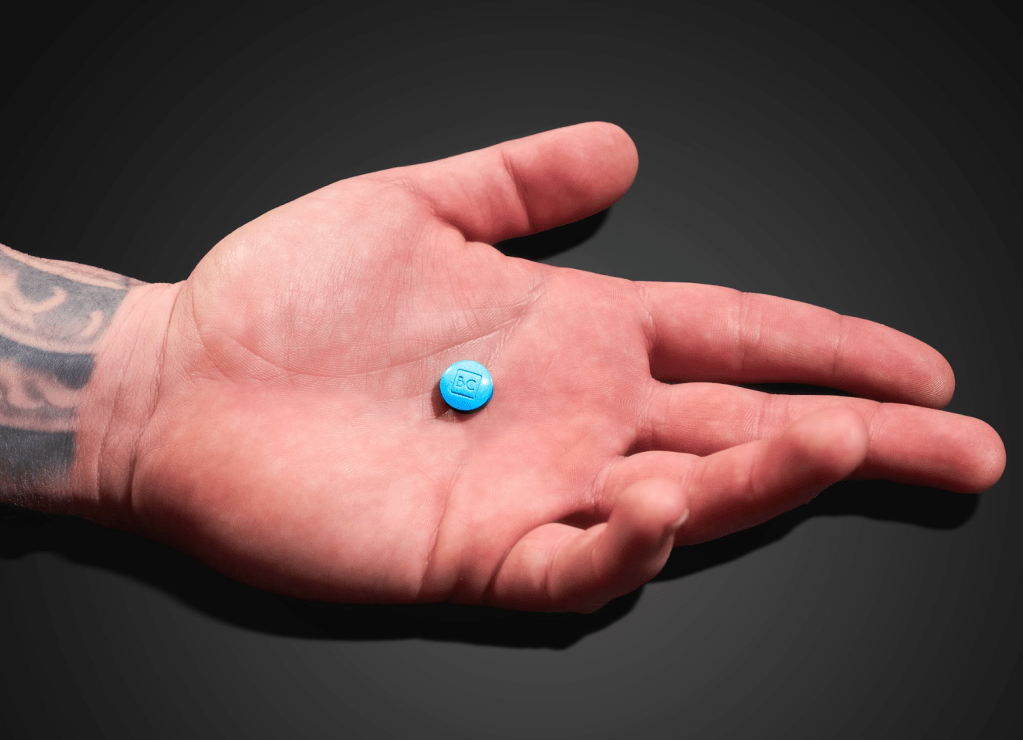
BlueChew offers compounded chewable medications that contain the same active ingredients as Viagra, Cialis, and Levitra. Compounded medications are not FDA-approved but are made in state-licensed pharmacies and prescribed by licensed medical providers to meet patients’ unique needs.
BlueChew’s medications belong to a class of drugs known as phosphodiesterase 5 (PDE5) inhibitors. They work by increasing levels of nitric oxide in the bloodstream (particularly in the penis), which causes vessels to dilate.
As the vessels dilate in the penis, more blood can flow into the penis resulting in harder, longer-lasting erections.
Can PDE5 Inhibitors (Like BlueChew) Boost Testosterone?
Interestingly, PDE5 inhibitors may not only be able to boost erection quality by enhancing blood flow to the penis but there is also evidence suggesting they may contribute to increased testosterone levels.
The mechanisms behind this effect are not fully understood, but several theories exist.
Improved blood flow resulting from PDE5 inhibitor use may enhance testicular function, leading to greater testosterone production. Additionally, increased sexual activity, which often accompanies PDE5 inhibitor use, has been associated with higher testosterone levels.
While the increase may not be dramatic, it is an added potential benefit of PDE5 inhibitors.

Treatment Options
Getting a solid erection isn’t just about one thing—it’s a team effort involving your nervous system, blood flow, and hormones. That’s why a one-size-fits-all approach doesn’t always work.
Not every man responds optimally to PDE5 inhibitors (like Sildenafil, Tadalafil, or Vardenafil from BlueChew), and testosterone therapy isn’t a magic fix for everyone either. That’s why it’s important to talk to a doctor who can help figure out the root cause of your erectile issues and find a treatment that actually works for you.
If BlueChew alone isn’t doing the trick, low testosterone might be part of the problem. Studies suggest that men dealing with both low testosterone and erectile issues may get better results from PDE5 inhibitors when they also take testosterone therapy.
Testosterone replacement therapy (TRT) can boost erection quality by increasing nitric oxide levels, improving libido, and supporting overall sexual function. But TRT only works for men who actually have low testosterone, not just anyone struggling with erection issues. If your issues aren’t improving, getting your testosterone checked could help determine if another treatment is needed.
And if TRT doesn’t do the job either? The root cause might be something else—like poor circulation, nerve issues, or even mental health. In that case, PDE5 inhibitors might be able to help get things back in action.
Final Thoughts
Testosterone plays a critical role in sexual function, but it is not the sole factor influencing erection health.
PDE5 inhibitors like those available through BlueChew may even contribute to modest increases in testosterone levels.
For individuals who do not respond to these medications alone, testosterone therapy may be a supportive treatment to consider.
If erection difficulties persist despite treatment, assessing testosterone levels and exploring different therapeutic approaches—including BlueChew—can be a valuable step in restoring your confidence and sexual function.
How To Get Medication Through BlueChew
Interested in getting your hands on a prescription for daily erection-enhancing medications? BlueChew has got you covered.
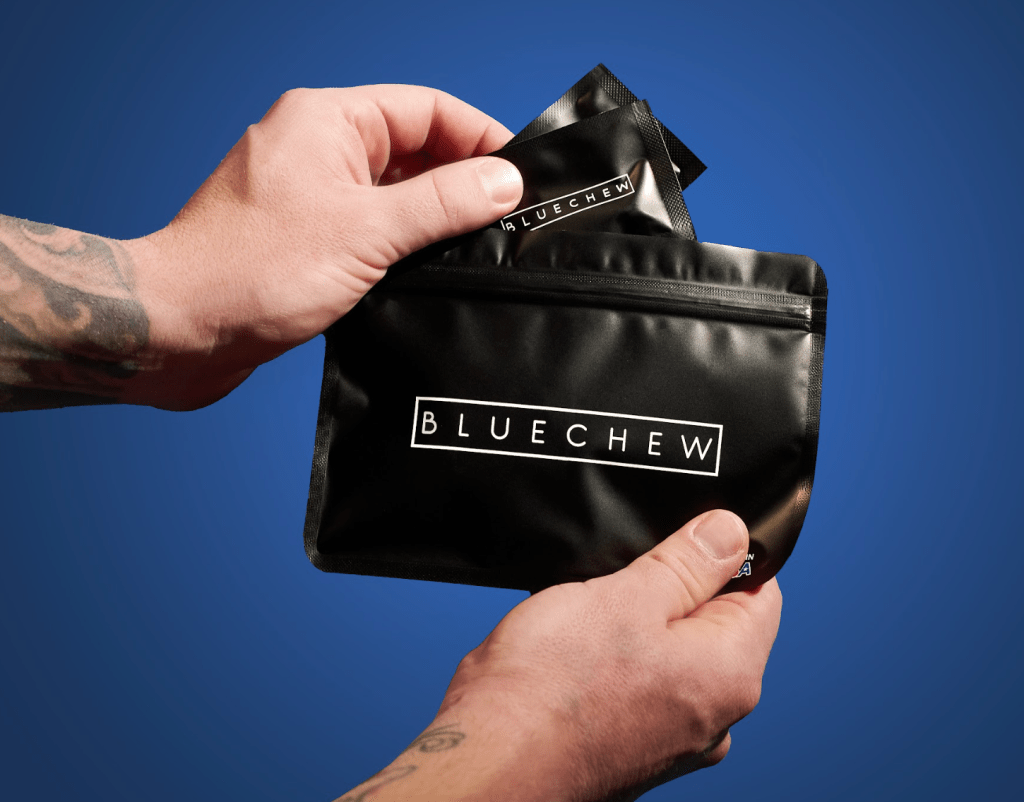
Select a plan, complete an online intake, and you’re done. A medical provider will review your information and, if appropriate, prescribe your plan, which will be shipped directly to your door.
No doctor appointments or patient support charges make it a stress-free experience.
With plans starting as low as $20 per month, BlueChew can fit into anyone’s budget. Plus, there’s no commitment—you can easily cancel or switch plans anytime. Click here to explore all plan options for treatments at BlueChew.
FAQs
Can low testosterone cause erection problems?
Low testosterone can contribute to erection difficulties by reducing libido and nitric oxide production. However, many men with erection issues have normal testosterone levels, suggesting other underlying causes.
Do PDE5 inhibitors like BlueChew increase testosterone?
Some research suggests that PDE5 inhibitors, such as Sildenafil and Tadalafil, may contribute to modest increases in testosterone levels, potentially due to improved circulation to the testicles and increased sexual activity.
What if BlueChew isn’t working for me?
If PDE5 inhibitors do not produce the desired results, low testosterone could be a factor in your erectile issues. Discussing a testosterone test with your healthcare provider may help you determine whether additional treatment, such as testosterone therapy, is needed.
Does testosterone therapy cure erection issues?
Testosterone therapy can improve erection quality in men with low testosterone, but it is not a universal solution. It is most effective when used in conjunction with PDE5 inhibitors and lifestyle modifications.
How do I know if I have low testosterone?
Symptoms such as reduced libido, fatigue, mood changes, and difficulty achieving erections may indicate that you have low testosterone. A blood test is the most reliable way to confirm if your testosterone levels are within the normal range.
This article is for informational purposes only and does not constitute medical advice. The content provided here is not a substitute for, and should never be relied upon as, professional medical advice. Always consult your doctor to discuss the risks, benefits, and appropriateness of any treatment. BlueChew offers compounded medications prescribed solely for the treatment of erectile dysfunction and sexual performance enhancement. Compounded medications are not FDA-approved.
References
- Nassar GN, Leslie SW. Physiology, Testosterone. PubMed. Published 2023. https://www.ncbi.nlm.nih.gov/books/NBK526128/
- Rizk PJ, Kohn TP, Pastuszak AW, Khera M. Testosterone Therapy Improves Erectile Function and Libido in Hypogonadal Men. Current Opinion in Urology. 2017;27(6):511-515. doi:https://doi.org/10.1097/mou.0000000000000442
- Traish AM, Goldstein I, Kim NN. Testosterone and Erectile Function: From Basic Research to a New Clinical Paradigm for Managing Men with Androgen Insufficiency and Erectile Dysfunction. European Urology. 2007;52(1):54-70. doi:https://doi.org/10.1016/j.eururo.2007.02.034
- Onyeji IC, Clavijo RI. Testosterone Replacement Therapy and Erectile Dysfunction. International Journal of Impotence Research. 2022;34(7):698-703. doi:https://doi.org/10.1038/s41443-021-00512-w
- Corona G, Maggi M. The Role of Testosterone in Male Sexual Function. Reviews in Endocrine and Metabolic Disorders. 2022;23:1159-1172. doi:https://doi.org/10.1007/s11154-022-09748-3
- Dhaliwal A, Gupta M. PDE5 Inhibitor. PubMed. Published April 10, 2023. https://www.ncbi.nlm.nih.gov/books/NBK549843/
- Spitzer M, Bhasin S, Travison TG, Davda MN, Stroh H, Basaria S. Sildenafil Increases Serum Testosterone Levels by a Direct Action on the Testes. Andrology. 2013;1(6):913-918. doi:https://doi.org/10.1111/j.2047-2927.2013.00131.x





 BLUECHEW blog